Erased and Unheard: How Silencing Black, Brown, and LGBTQ+ Artists Threatens Our Future
When institutions silence Black, Brown, and LGBTQ+ artists, they also narrow the stories future leaders inherit. Representation is a lifeline.
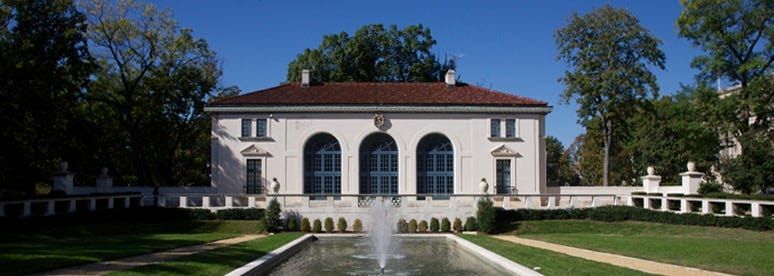
In a nation that prides itself on freedom, the recent decision by the Art Museum of the Americas in Washington, D.C. the Oldest museum of Latin American and Caribbean art in the US https://www.advocate.com/news/museum-pulls-lgbtq-black-artists, to pull exhibitions by Black, Brown, and LGBTQ+ artists is a stark reminder of the injustice that still prevails.

This act, citing orders linked to the rollback of diversity, equity, and inclusion programs under the current presidential (2025) administration, is a direct assault on the celebration of the voices of marginalized communities. The canceled exhibitions highlighted the richness of Afro-Latino, African American, and queer experiences, and their removal is not just about art. It’s about erasing history, minimizing contributions, and signaling to the world that certain stories don’t matter.
This type of censorship is a direct assault on cultural elevation and leadership development. When we silence voices that reflect the true diversity of this nation, we strip future leaders of the ability to see themselves in the narratives that shape our society. Representation is not just a buzzword — it’s a lifeline. For Black, Brown, and LGBTQ+ youth, seeing their identities, struggles, and victories celebrated in public spaces is not just affirming; it’s vital. It affirms that they, too, have a place in this world. When those spaces are shuttered, so are their aspirations.
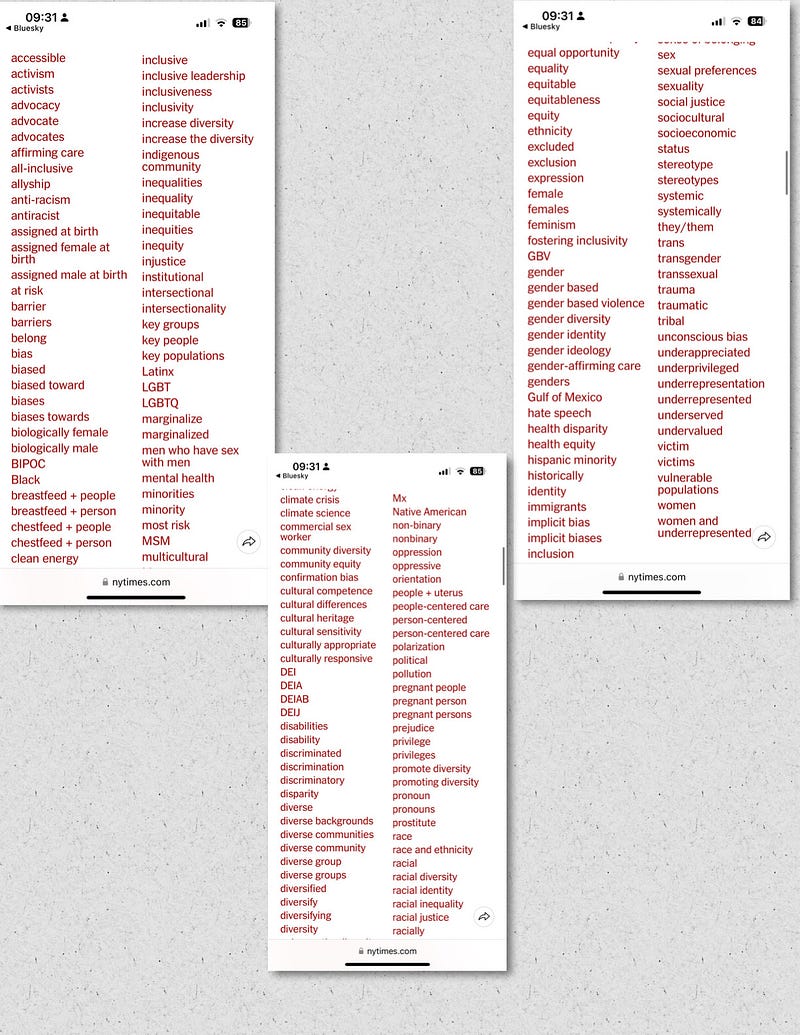
Art has always been more than decoration. It is resistance, testimony, and a canvas where our world’s and communities’ truth finds its voice. Pulling these exhibitions isn’t just about censoring art — it’s about stifling potential. Behavior such as this threatens the potential for leadership in our communities. It sends a clear message that contributions from marginalized communities are only welcome when they don’t make certain people uncomfortable. This is the same mindset that rewrites history books, downplays the civil rights movement, bans specific language (https://www.nytimes.com/interactive/2025/03/07/us/trump-federal-agencies-websites-words-dei.html), and acts like systemic oppression is something we’ve left behind.
We are a land rich in contributions from many cultures and communities. To pretend otherwise is not just disingenuous — it’s dangerous. When we fail to honor the full spectrum of human experience, we deny the next generation the courage to create, exist, and excel. We deny them the blueprint of excellence those who came before laid out.
The silencing of these exhibitions is part of a larger pattern — a pattern that seeks to erase the uncomfortable truths that art so often brings to light. But let me make this clear: Silence does not mean absence. It means resistance. And resistance, as history has shown, has a way of finding new canvases, platforms, and voices to tell the stories that refuse to be buried. The resilience of these communities is not to be underestimated, and their stories will not be silenced.
We must demand better — not just for the artists whose work was stripped from those gallery walls, but for every young person who sees those walls as a place where their story might one day hang. We owe it to them to preserve spaces where all voices can be heard, celebrated, and remembered.
Because the erasure of one story is the erasure of us all. And we will not go unheard.