Colorado State robots bend, grip and connect by changing their shape
Precious “Preciosa” Myers-Brown · Published
Colorado State University researchers have built flexible robots inspired by elephant trunks that can work alone or connect into different arrangements. The university described the research on November 11.
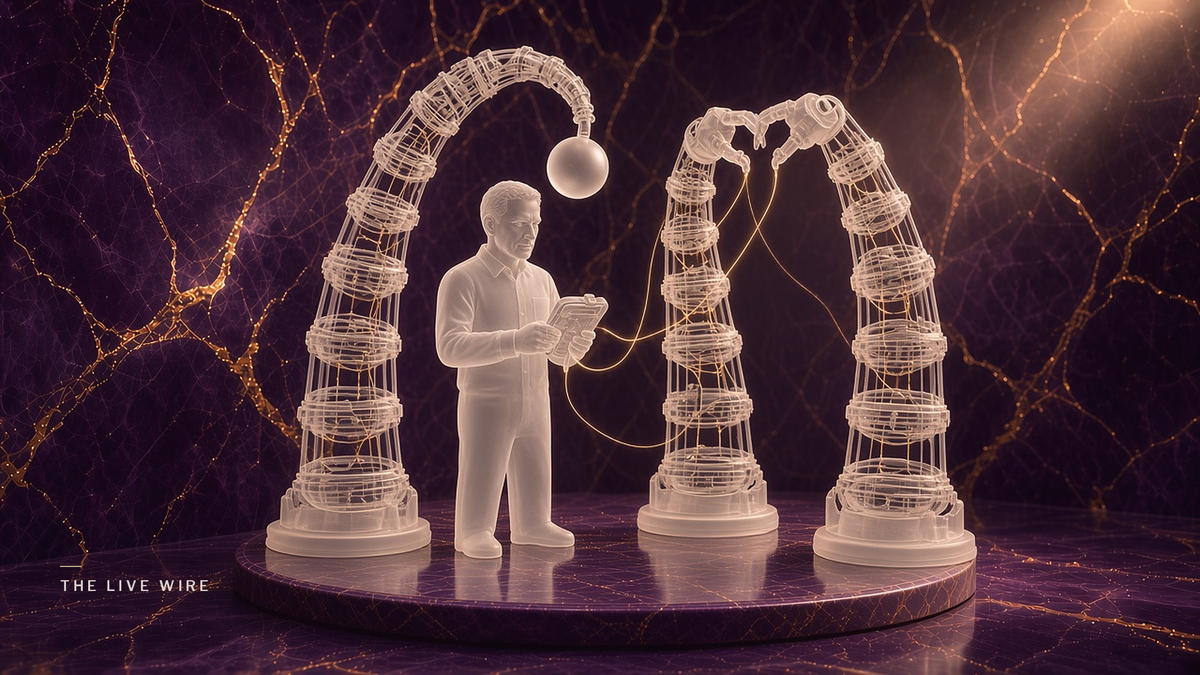
The design uses tensegrity: rigid rods held together by tensioned cables. Instead of relying on conventional joints, the structure bends and changes shape. Grippers at both ends can handle objects or connect one robot to another, allowing units to form chains, loops and branches.
The team’s project materials show demonstrations of manipulation, movement and coordinated transport. These are research prototypes, not an available everyday support product. The reported reconfiguration work is teleoperated; a separate proof of concept demonstrates two robots docking autonomously. That distinction matters when watching the demonstrations, and the project page identifies videos that have been sped up.
The researchers point to possible future uses in areas such as manufacturing, exploration and search and rescue. More independent coordination and faster movement remain development goals.
The TechEquity lens
A robot that changes shape could eventually approach tasks differently from a fixed machine. For enabling technology, the questions remain practical: what task does a person want help with, who controls the device, and how would safety and reliability be established in that setting? Flexibility alone does not answer those questions.
Sources, checked November 16, 2026: Colorado State University research report; research team’s project page and demonstrations.