A VA award moves flexSTIM toward a study of more manageable weight shifting
Precious “Preciosa” Myers-Brown · Published
DisabilityThe battery-free implant is being developed for people with spinal cord injuries; clinical feasibility work is still ahead.
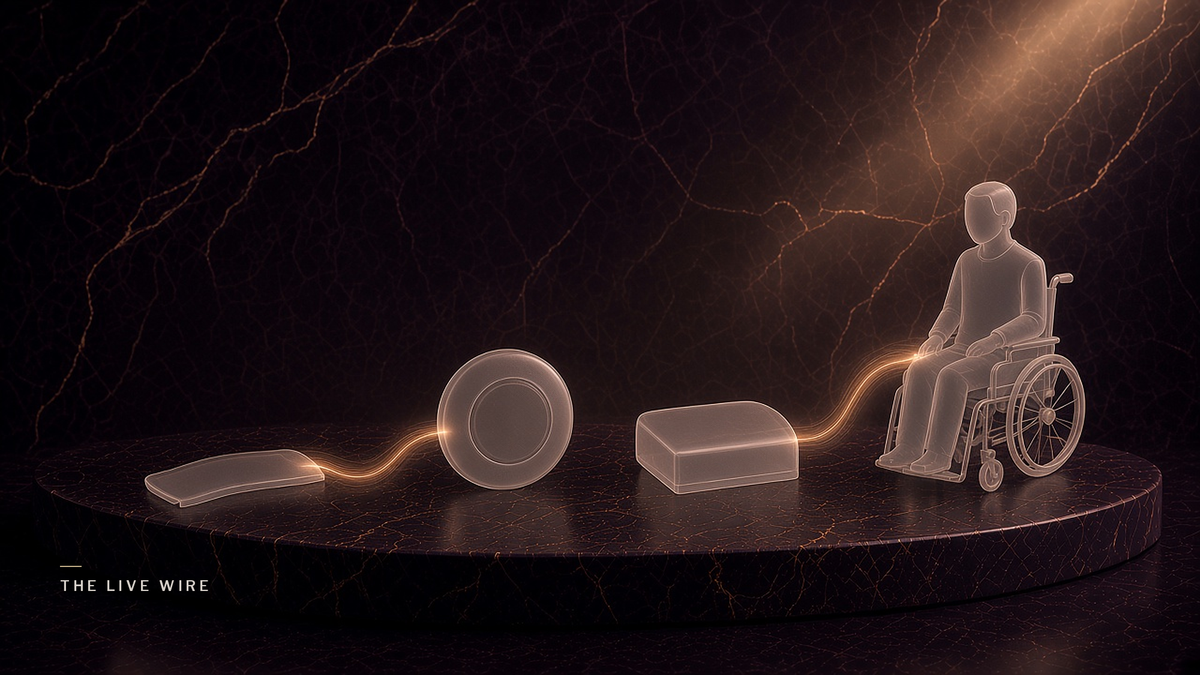
A research team is working on a small implant intended to make regular weight shifting easier for people who have paralysis or impaired movement. A new Department of Veterans Affairs award supports the next stage of developing it, not a finished treatment available today.
Case Western Reserve University reported the $3.1 million award on November 9. Kath Bogie, an orthopedics professor and Cleveland VA research scientist, leads the team developing the iGSTIM system. Its implantable component, flexSTIM, is a flexible, battery-free stimulator controlled by an external remote.
The intended action is muscle stimulation that produces a weight shift while someone is sitting or lying down, with the goal of reducing pressure injuries. The university says researchers will build and refine hundreds of devices in preparation for FDA-guided feasibility studies involving ten veterans with spinal cord injuries. That plan does not establish effectiveness or mean the device has FDA marketing authorization.
There is a meaningful daily-life question inside the engineering: can a task that requires repeated effort become easier to manage without creating a complicated new routine? That is something careful testing with the people who would use the system can help answer. Future cost, coverage and a commercial-release timetable are not given.
Tech Equity
The person using a remote should be part of deciding what control needs to feel like: how understandable it is, how it works with their movement and what support they need when something changes. Those practical questions belong beside safety and performance as the research progresses. This award creates room to investigate them. The promise is worth following while keeping the distinction between a research goal and a demonstrated benefit clear.