Gemini Robotics 2.5 learns finer tasks, with people nearby part of the test
Precious “Preciosa” Myers-Brown · Published
TechnologyGoogle reports gains in delicate tasks and movement around people. The model is going to robotics partners, not into a consumer home robot.
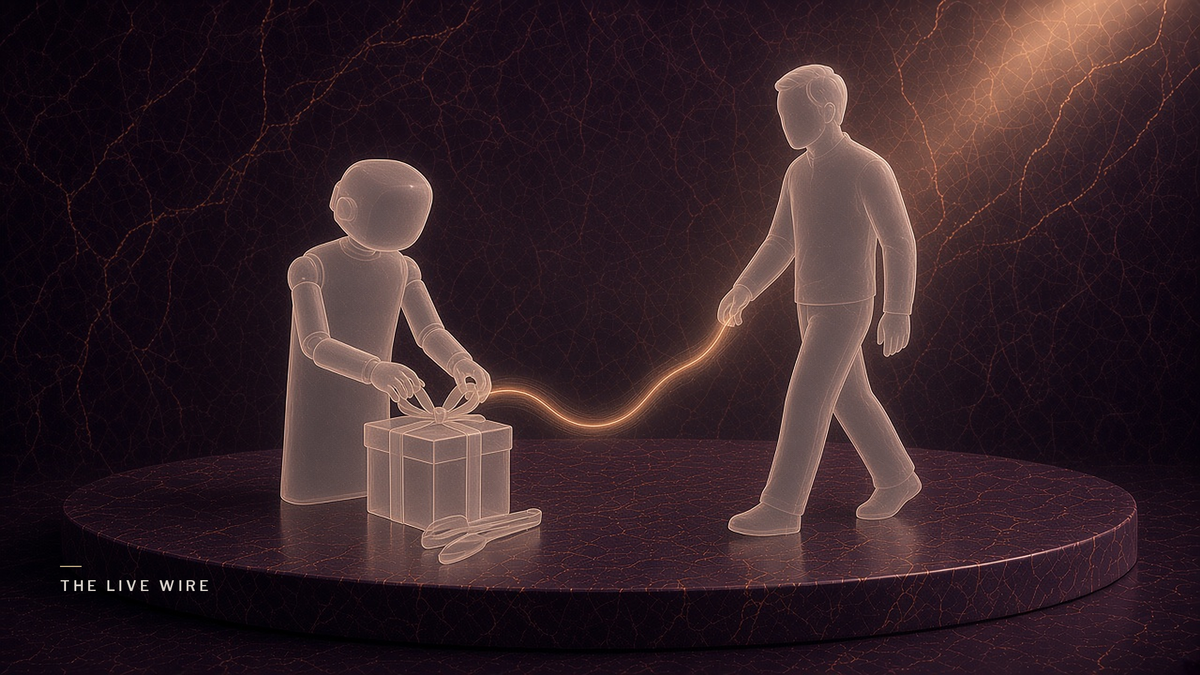
Serving food with tongs and tying a bow are ordinary tasks for many people, but they ask a robot to handle objects that bend, shift and resist a perfect grip. Those are among the tasks Google DeepMind used to evaluate Gemini Robotics 2.5, announced November 10.
Across 200 tasks, Google reports success rates 30 to 100 percent higher than earlier baselines, depending on the task, with completion 20 to 30 percent faster. The model supports different robot platforms, including Apptronik's Apollo 2 and Franka Duo.
Google also reports improved safe task completion in its own evaluations: 33 percent around obstacles and 43 percent around nearby people. A separate industrial proof of concept used Apollo 2 robots to sort automotive parts at Mercedes-Benz sites, achieving a reported 96 percent success rate. These are company-reported results in particular tests, not a promise of safe performance in every setting.
The model is rolling out to robotics partners. No public home-robot release is announced. Google is also releasing ASIMOV-Jailbreak, a benchmark for testing whether robotics systems resist disguised unsafe requests.
The opportunity is bigger than a robot completing a neat demonstration. Everyday assistance involves people moving, changing their minds, reaching for something and doing things in ways that are specific to them. Progress in handling objects and responding to nearby people is worth following because both capabilities matter when technology starts sharing our space.
Tech Equity
Bring the people who might use these robots into the next stage of testing. A wheelchair, a walking aid, a different reach or an unexpected movement should be part of designing useful assistance from the beginning. Older adults and disabled people can help define which tasks are worth doing, what respectful movement looks like and how to ask a robot to stop. That is how technical progress becomes something a person can choose to use in daily life.
Source: Google DeepMind announcement