Ontario Tech adds conversational AI to memory sessions shaped by people living with dementia
Precious “Preciosa” Myers-Brown · Published
AgingVirtual places, music and personal memories become starting points for conversation, with people living with dementia helping guide the research.
A familiar place or a favorite song carries more than information. It can carry a person's history, relationships and sense of belonging. At Ontario Tech University, researchers are exploring how virtual reality and conversational AI can help people living with dementia share those connections with others.
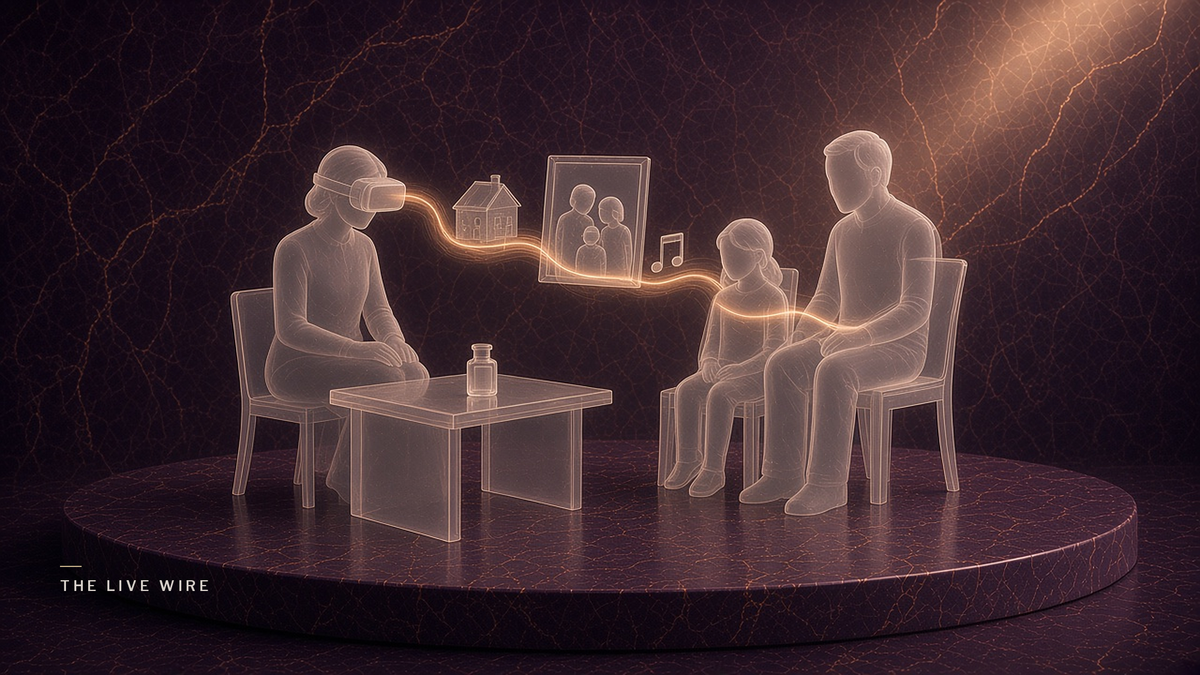
The university described the work on November 10. Dr. Winnie Sun's VR Memory Project uses headset experiences tailored to participants' lives, including meaningful places, music and family photographs. The team is also incorporating scent. A new conversational AI component is intended to encourage discussion and sustain conversation during reminiscence sessions.
People living with dementia and their caregivers help test and guide the technology. Participant Bea Kraayenhof described feeling immersed and relaxed, and valued contributing to research that might help others. The project brings together health sciences, engineering and game development, with connection between participants, caregivers and generations among its research goals.
This is a report on research in development, not proof that the AI component treats dementia or improves cognition. The announcement does not provide participant numbers, a study timeline or access outside the research setting.
The design question is worth staying with: whose memories get to shape the experience? A scene that is meaningful to one person may mean very little to someone else. Starting with that person's places, people and interests gives technology a role in a relationship rather than making the technology the whole event.
Tech Equity
Keep people living with dementia at the design table as the work develops. Their preferences can help determine which experiences are welcome, when a session should end and how a family member or support professional takes part. Cultural familiarity, language, sensory comfort and the option not to use a headset all deserve attention. The opportunity is to create another way for people to connect around their own lives, with room for the person to decide what feels meaningful.