Otto Group and Sereact plan AI robots for returns work in Poland
The Live Wire · Published
TechnologyReturns are not just boxes coming back. They are decisions: what is still good, what is damaged, what goes back out, and who makes that call?
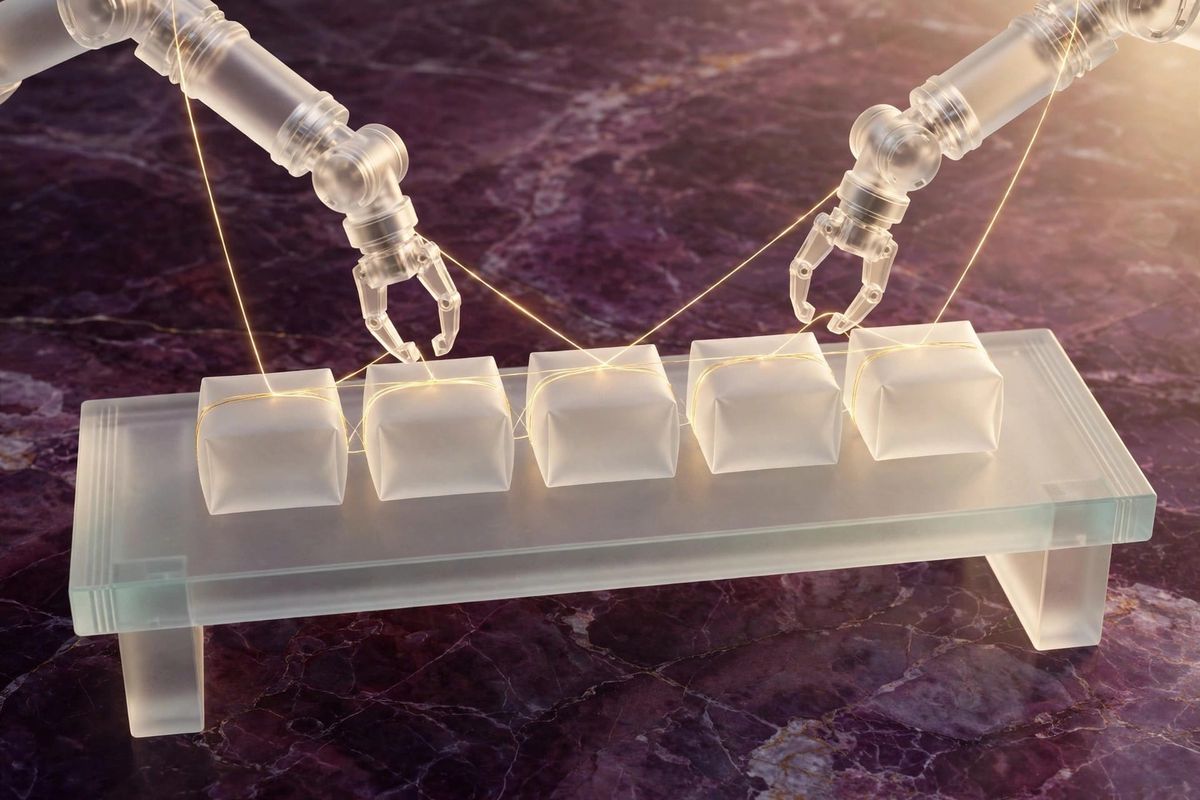
On October 28, 2026, Otto Group and Sereact announced a two-phase plan to deploy up to 25 AI-controlled dual-arm robots at an Otto Group logistics center in Poland to inspect and sort returned customer orders. The plan starts with ten systems, with 15 more depending on the initial results. This is a staged deployment plan, not 25 robots already working.
The companies say the robots use Sereact's Cortex physical AI model, trained and validated with NVIDIA Isaac Sim, Isaac Lab, and Cosmos. Under their Robotics-as-a-Service model, Sereact operates and maintains the systems. The companies describe employees moving toward supervision, exception handling, and quality checks. That is the plan, not yet a demonstrated workforce outcome.
I know returns work from the other side of it. I worked at Crate and Barrel in DC, and I loved working there. I loved the furniture, and the employee discount helped me furnish my home. When returns came in, inspecting them was the process. At Crate and Barrel, you could at least guess what was coming back because it was housewares and furniture. In a warehouse selling every product under the sun, that guess goes away. It could get messy.
We had a backroom area called shtikl, a Yiddish word for a small piece, odds and ends. That was the pile of slightly damaged floor samples, broken sets, and one-off customer returns offered at a deep discount to employees. Then there was what became trash, and what became donations to local charities. Deciding what went where was not just sorting. It was a judgment about worth. Every return was a little different.
That is why the quality review question matters here. If robots are going to help make those shtikl-versus-trash-versus-donation decisions, what review process needs to be built in? Especially when someone else operates the robots as a service, who is checking the checker?
Tech Equity
What does this support and empower a person to do? That is the question I ask of any technology.
Learning to guide, direct, and supervise machinery could become a valuable skill. Not just working the robot, but working the systems around it: noticing when something breaks down, catching an exception, and keeping the work moving. Nothing beats a human mind when a damaged return does not fit the pattern.
Could workforce development programs train people for that side of the work? A learner could follow a return from arrival through inspection and sorting to the final decision, practicing supervision and judgment alongside the machine skills. The opportunity is not simply to move boxes faster. It is to help people stay in the work as the work changes.