PVA's new hotel guide starts with the people who need the room to work
Precious “Preciosa” Myers-Brown · Published
DisabilityA free guide brings mobility-device users' travel experience into hotel design and service.
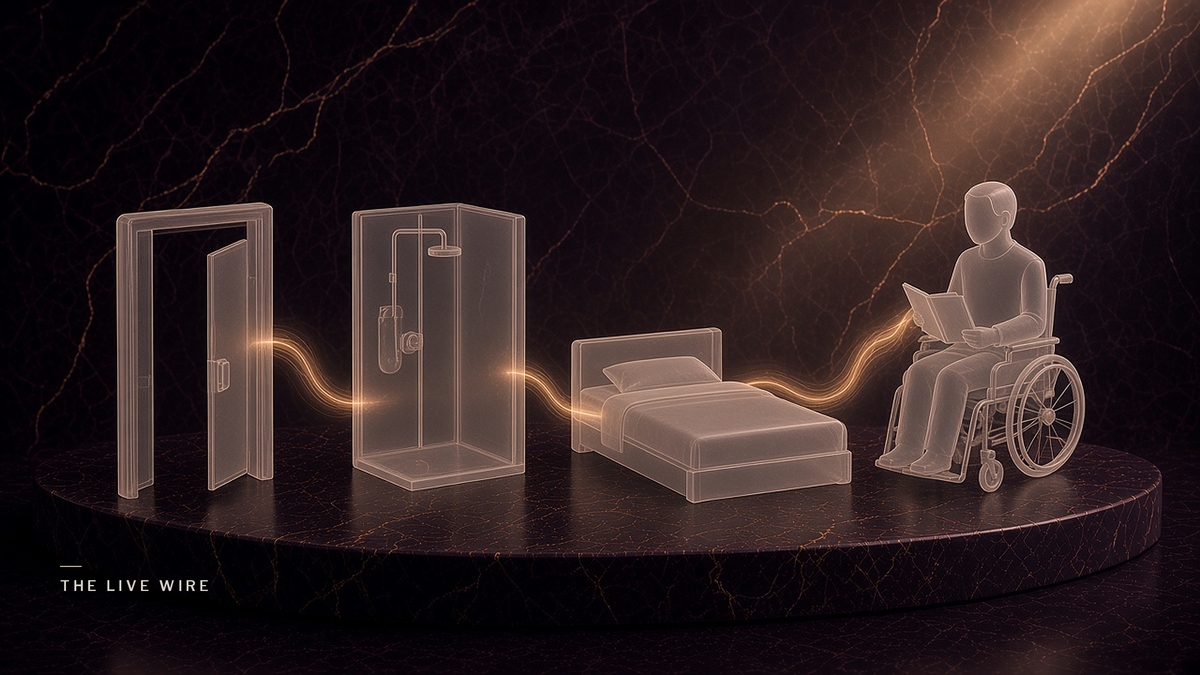
A hotel stay includes much more than getting through the front door. It includes reaching the bed, moving around the furniture, using the bathroom and knowing that the room reserved is the room waiting at arrival. Paralyzed Veterans of America's new guide brings those daily realities into the conversation about accessibility.
PVA announced Volume I of its Best Practices in Hotel Accessibility Guide on November 9. Called Welcoming Mobility Device Users, it is a free resource informed by members' travel experiences and the organization's accessible-design expertise. Its scope follows the guest journey from reservations to transportation, bathrooms and meeting spaces.
PVA's central point is that meeting a building standard does not answer every question about whether a particular guest can use a room. Bed transfers, space for a powerchair and independent bathroom use all deserve attention. Hotels and event planners can find the guide through PVA's accessible-design page.
A second volume, focused on planning and hosting wheelchair-accessible events, is scheduled for December 4. That is a forthcoming resource, not one available today.
Tech Equity
This is the kind of practical knowledge that can improve a trip before someone packs a bag. A property can work through the guest's actual route, describe room features clearly and invite people who use mobility devices to test what has changed. A traveler should be able to make an informed choice about the room, rather than discover its details after a long journey. Listening to the people who use the space is part of making the space work.