In Spain, remote support comes with an off switch the person controls
Precious “Preciosa” Myers-Brown · Published
DisabilitySixteen people with intellectual disabilities tried telepresence support they could start, end or switch off themselves.
The off switch is part of the news. In a project involving the Juan XXIII Foundation, Nokia and Telefónica, people receiving remote support could decide when a call began, when it ended and whether the device stayed on.
Telefónica described the project on November 10. Sixteen people with intellectual disabilities participated across four foundation homes, including a flat used to prepare for independent living. Nokia's Snowl combines 360-degree video, two-way audio and an avatar interface so a support professional can connect remotely. Telefónica supplied connectivity.
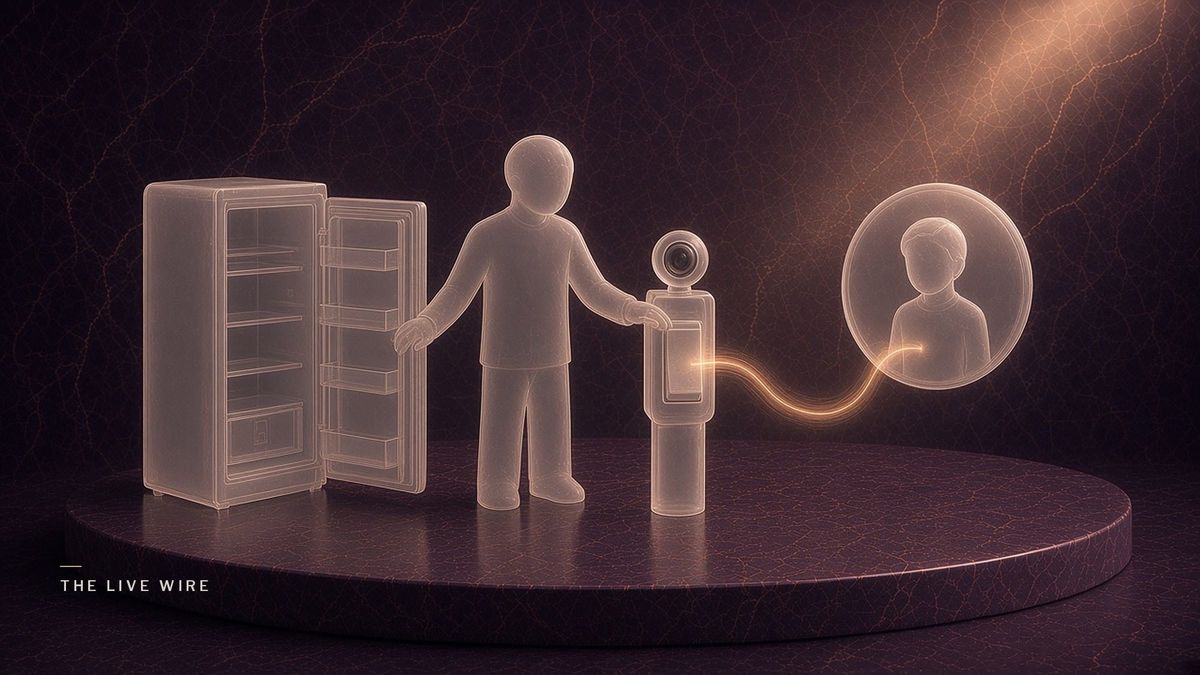
Participant Jose Luis described getting help from his support worker with the refrigerator and meal planning during weekends at home. Nokia says video is encrypted and access restricted to remote support staff. The partners report that participants felt supported and more autonomous in daily activities. Those are findings reported by the project partners, not an independent clinical study. Wider availability, cost and the project's duration are not stated.
What matters is the relationship between the person and the support. Preparing a meal is an ordinary part of having a home, but doing more of it yourself can be a meaningful change in your day. A connection to someone who knows you can make that possible without requiring that person to be in the room for every step.
Tech Equity
Start with the person's control, then build the service around it. Providers considering this kind of support can ask how a person chooses who connects, how they end a session, and what happens when they prefer an in-person visit. The answers belong in an accessible conversation with the person, not only in a technical specification. The useful lesson from Spain is a design direction: make connection available while keeping the home, the choices and the ordinary moments of daily life with the person who lives there.
Source: Telefónica project announcement