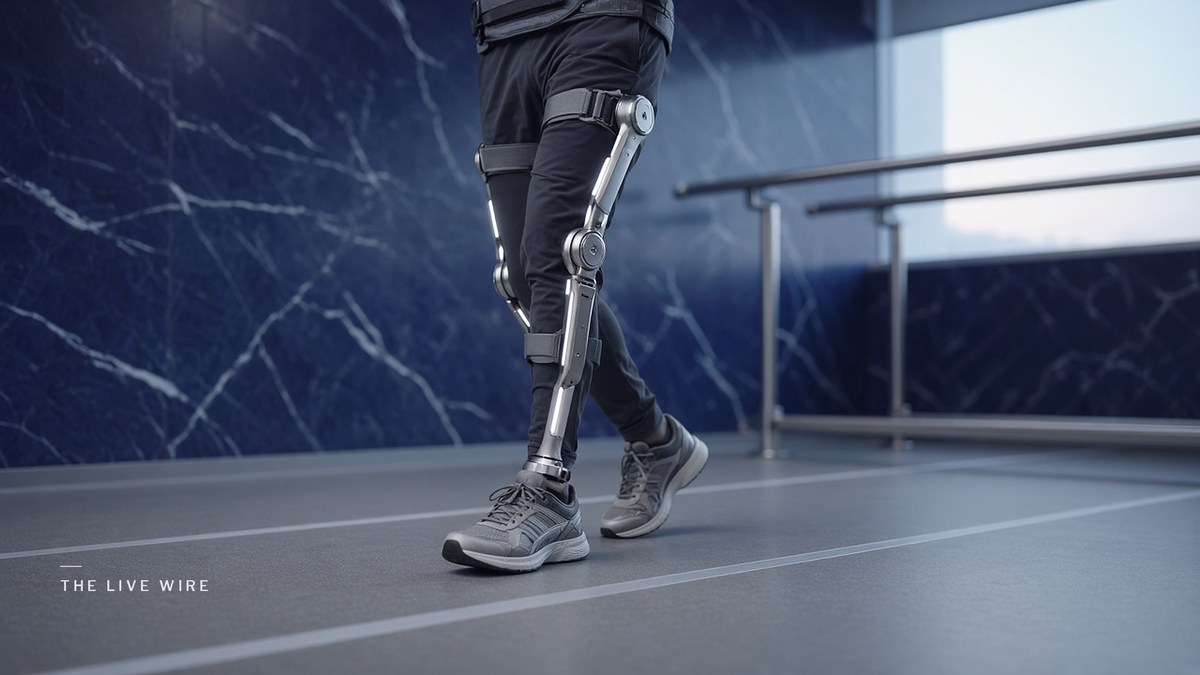
Spanish hospitals trial the ABLE exoskeleton in the first six months after spinal cord injury
Precious “Preciosa” Myers-Brown · Published
RoboticsDisabilityA multicenter study will evaluate a lighter wearable device in early rehabilitation. No results have been reported.
Vall d’Hebron University Hospital, the National Hospital for Paraplegics in Toledo, and the University of Lleida are participating in a trial of the ABLE exoskeleton for people in the first six months after a traumatic spinal cord injury.
Vall d’Hebron says the wearable device from ABLE Human Motion is lighter and quicker to fit than the robotic gait trainers described in its announcement. Its software adjusts support to each person’s abilities. Researchers will study clinical and movement outcomes, and the University of Lleida will examine costs for Spain’s National Health System.
As of the November 17 announcement, five people had enrolled at Vall d’Hebron and ten in Toledo. The trial was still recruiting. The hospital reported no results.
Tech Equity
A device that is quicker to fit raises a practical access question: could more public hospitals offer it, and could people choose it when it fits their own goals? The trial and the cost study, not the announcement, will help answer that.