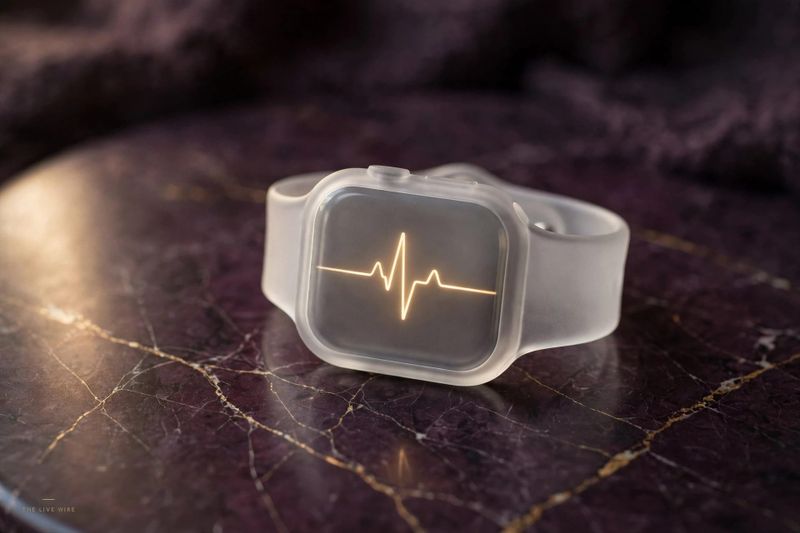
A heart reading on your watch that answers instead of saying it can't tell
An inconclusive reading leaves a person waiting on an answer about their own heart, and this software cut those readings by 92 percent in a published study.
The Current of The Voice of Enabling Technology™
An inconclusive reading leaves a person waiting on an answer about their own heart, and this software cut those readings by 92 percent in a published study.

OpenAI says Images 2.6 generates pictures 50 percent faster. Describing what those pictures communicate needs a place in the workflow too.
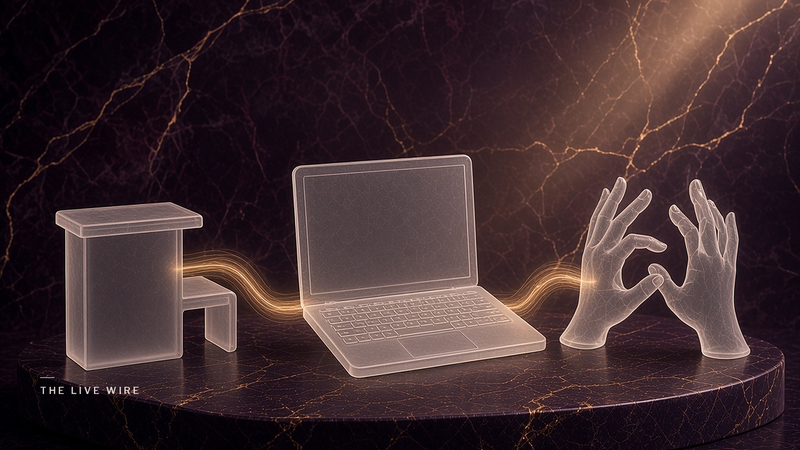
New rules name the screen-reader access, sign-language support and usable information that customers should be able to expect, with some physical changes due later.
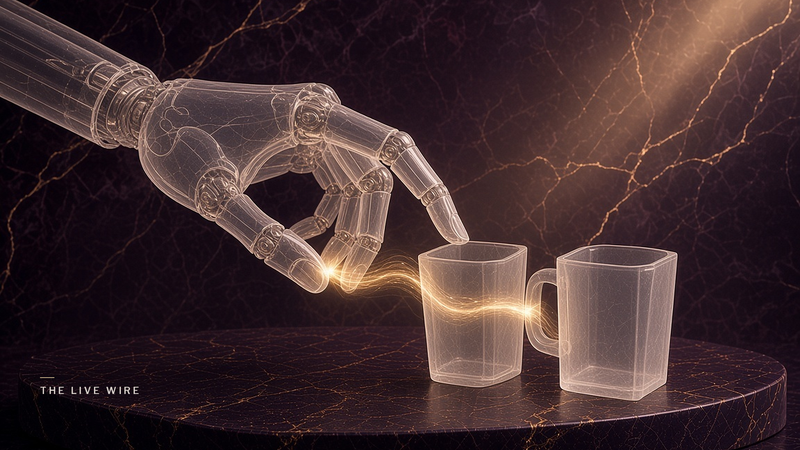
GroundingPI gives researchers an open model for locating objects precisely, while the evidence still stops short of a robot working in someone’s home.
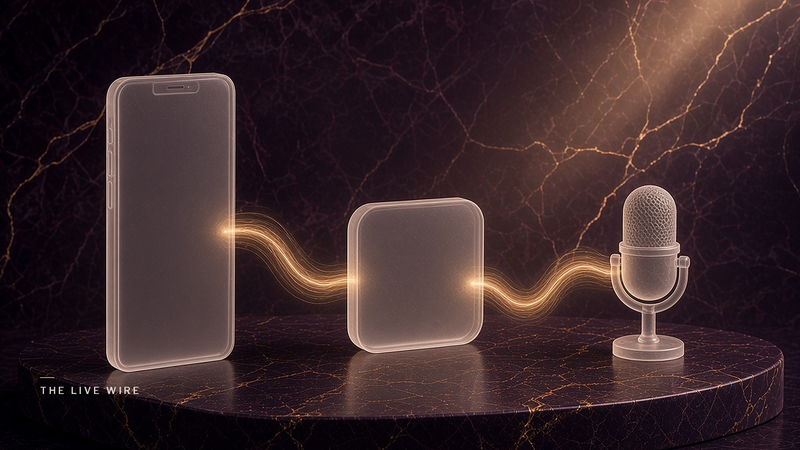
A new developer preview could let people get more done in their own words, but the apps, devices and ways to ask still determine who can use it.
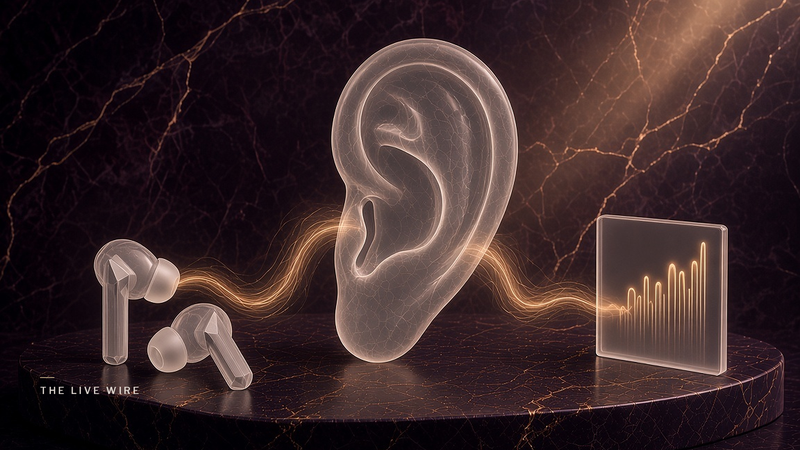
Korean approval brings a hearing test and hearing aid feature closer to Galaxy Buds owners, with a different rollout clock from the United States.

The November 12 gala brings captions, audio description, sign language and Spanish into the broadcast, so more people can share the same night.
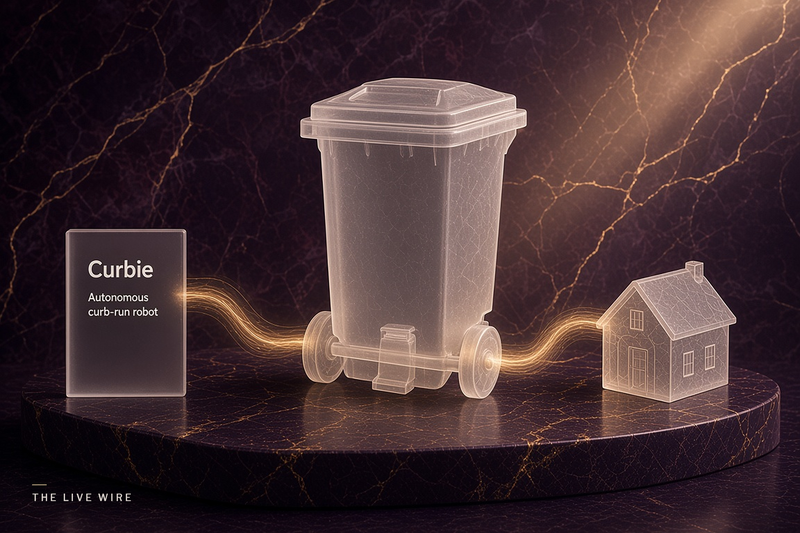
Revere Robotics is building Curbie to haul a regular trash bin to the curb and back. It’s still in development, and the idea matters for more than a chore.
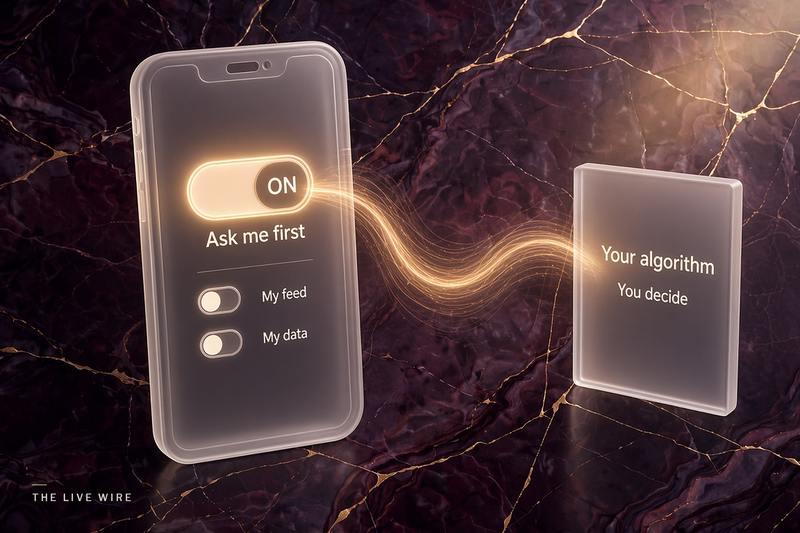
A Consumer Technology Association member essay argues young people should get a real say over the AI systems learning from them. Owning your algorithm starts with being asked.
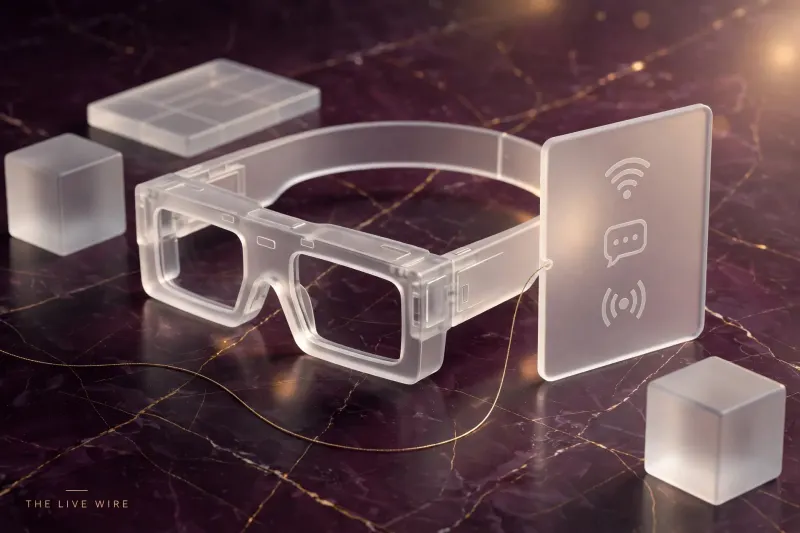
Cognixion’s NIH-funded CHOICE study measures which communication option people with ALS actually choose to use, in their own homes.

Waymo added Torrance, El Segundo and Manhattan Beach to its Los Angeles service. I keep thinking about what rides like this could mean for people with disabilities here in the DMV.
Neurotronics’ Sleep Analysis Module estimates sleep time from the pulse oximeter signal a home sleep test already collects, with no extra sensor.