
Faster AI images still need a way in for people who cannot see them
OpenAI says Images 2.6 generates pictures 50 percent faster. Describing what those pictures communicate needs a place in the workflow too.
The Current of The Voice of Enabling Technology™
OpenAI says Images 2.6 generates pictures 50 percent faster. Describing what those pictures communicate needs a place in the workflow too.
GroundingPI gives researchers an open model for locating objects precisely, while the evidence still stops short of a robot working in someone’s home.
A new developer preview could let people get more done in their own words, but the apps, devices and ways to ask still determine who can use it.

Neurotronics’ Sleep Analysis Module estimates sleep time from the pulse oximeter signal a home sleep test already collects, with no extra sensor.

Waymo added Torrance, El Segundo and Manhattan Beach to its Los Angeles service. I keep thinking about what rides like this could mean for people with disabilities here in the DMV.
AGIBOT introduced Worken on Oct. 29, a proposed framework for measuring the productive work robots perform in real-world environments.
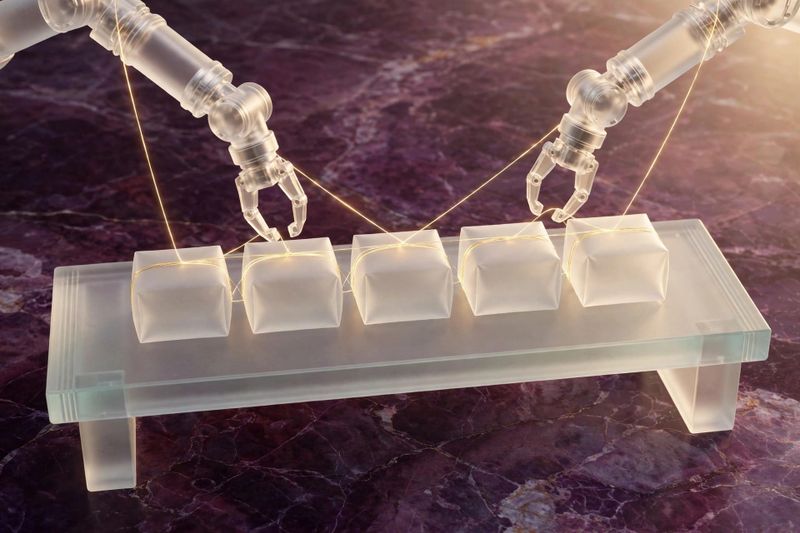
Otto Group and Sereact plan to deploy up to 25 AI-controlled dual-arm robots to inspect and sort returns at a logistics center in Poland, starting with ten.

When the record of a person's day lives with them, not just in their memory at an appointment, they get a stronger say in their own care.
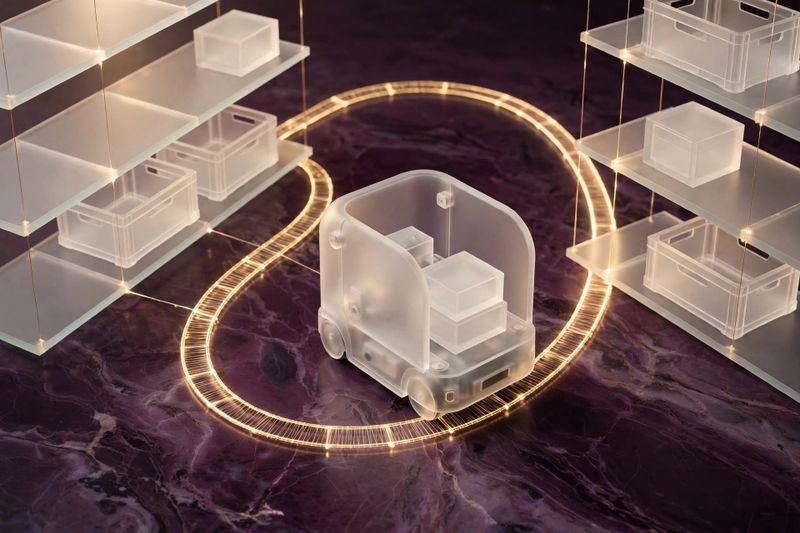
Intel and SAP showed warehouse tasks from SAP Extended Warehouse Management turning into robot missions, in a proof of concept at Intel's Chengdu site.

Apple's first foldable iPhone, the iPhone Duo, went on sale worldwide Oct. 23, starting at $1,999 with a 7.6-inch inner display.

Google Meet now translates spoken conversation in real time across 63 languages, with automatic language detection.

Video tile pairing on Meet mobile keeps a sign language interpreter beside the speaker, on Android now and on iOS from Nov. 2.