
Disability-led AI starts with a seat at the design table
COCEMFE CV sets out four practical priorities for AI that respects disabled people’s rights and everyday access.
The Current of The Voice of Enabling Technology™
COCEMFE CV sets out four practical priorities for AI that respects disabled people’s rights and everyday access.

The battery-free implant is being developed for people with spinal cord injuries; clinical feasibility work is still ahead.

A Ghanaian university's Ability Connect workshop puts students' experience into assistive-technology design.

Blind Producers' open-source instrument lets musicians shape a sound through controls they can navigate and hear.
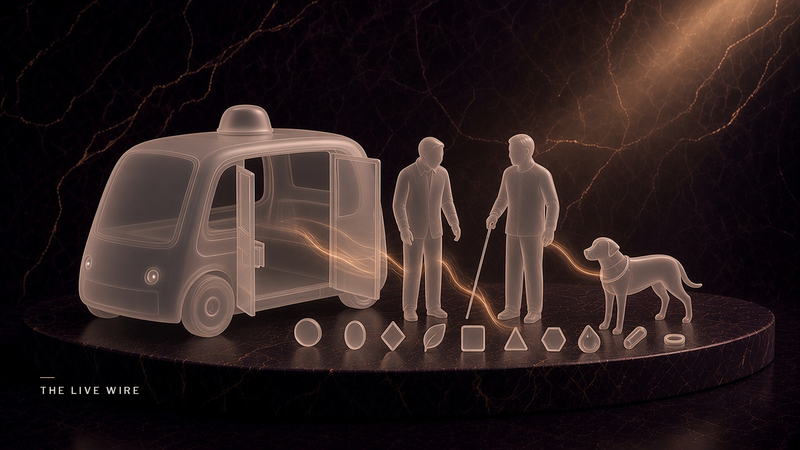
Disabled and older passengers' organizations will help research and test the service before London's first riders.
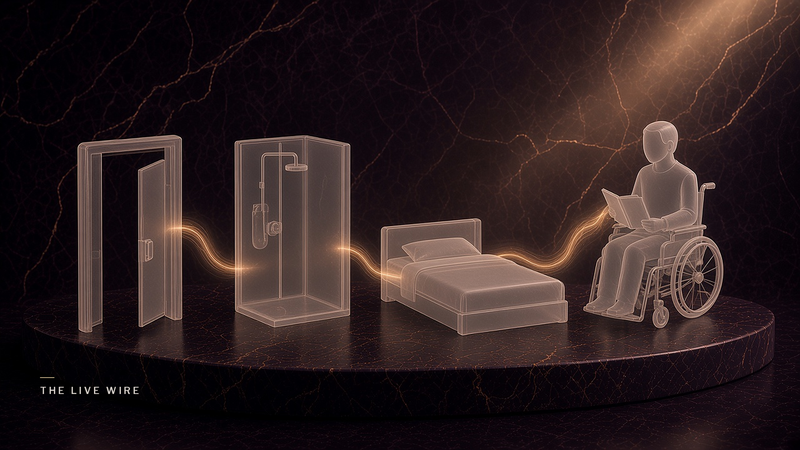
A free guide brings mobility-device users' travel experience into hotel design and service.
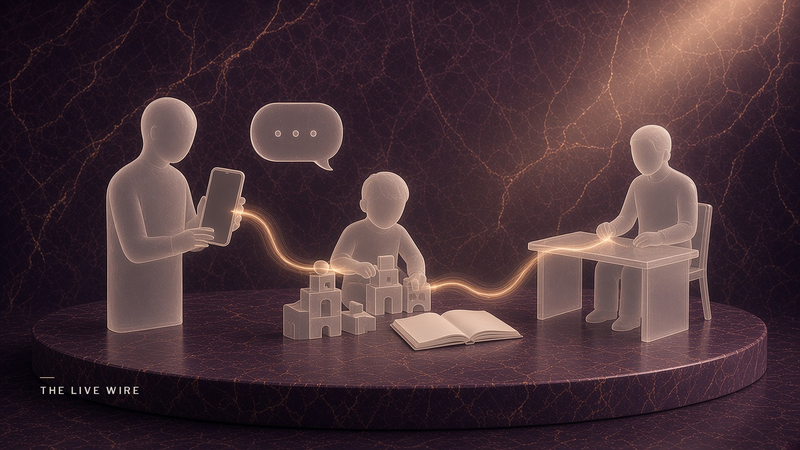
The research platform combines information from home with support suggestions. Clinical and real-world validation still come before deployment.
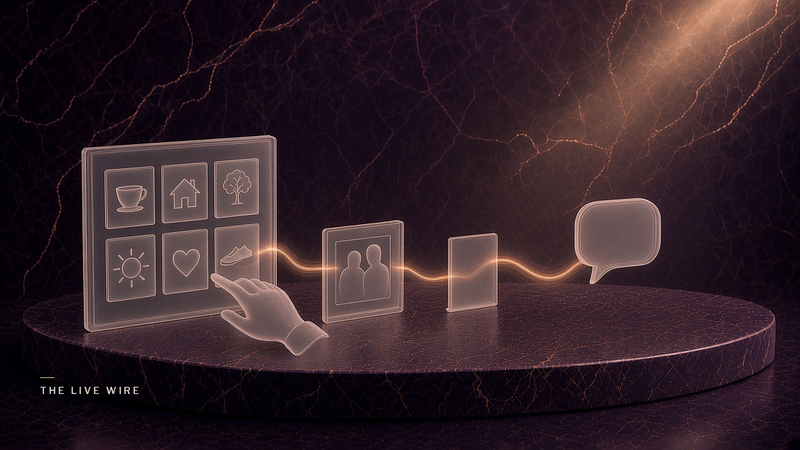
Smart Folders suggests picture cards for adults using Lingraphica devices. The person chooses what fits and makes it their own.

Sixteen people with intellectual disabilities tried telepresence support they could start, end or switch off themselves.

New rules name the screen-reader access, sign-language support and usable information that customers should be able to expect, with some physical changes due later.

Korean approval brings a hearing test and hearing aid feature closer to Galaxy Buds owners, with a different rollout clock from the United States.

The November 12 gala brings captions, audio description, sign language and Spanish into the broadcast, so more people can share the same night.